


If your electric scooter brakes are not working properly, it is important to diagnose the issue quickly. Braking problems can reduce riding safety and make it difficult to control the scooter, especially when travelling at higher speeds.
This guide explains the most common reasons why brakes may stop working correctly on the following scooters:
Although these scooters vary in power and design, they use similar mechanical braking systems. This means many braking issues can be diagnosed and fixed using the same steps.
Signs Your Scooter Brakes Are Not Working Properly
Brake problems can appear in several different ways depending on the cause.
Common symptoms include:
- Brakes feel weak or ineffective
- Brake lever pulls too far before braking
- Scooter takes longer to stop
- Grinding or squealing noises when braking
- Brake lever feels loose or unresponsive
If you notice any of these issues, it’s important to inspect the braking system before continuing to ride.
1. Worn Brake Pads
One of the most common causes of poor braking performance is worn brake pads.
Brake pads press against the brake disc when the lever is pulled, creating the friction needed to slow the scooter. Over time these pads naturally wear down and lose effectiveness.
Signs of worn brake pads include:
- Reduced stopping power
- Squealing noises when braking
- Visible thinning of the brake pads
Replacing worn brake pads can restore proper braking performance.
2. Brake Cable Adjustment Problems
Many electric scooters use a cable-operated brake system. If the cable becomes loose, the brake lever may need to be pulled much further before braking begins.
Possible signs include:
- Brake lever pulls almost to the handlebar
- Delayed braking response
- Weak braking force
Adjusting the brake cable tension can often restore proper braking performance.


3. Contaminated Brake Disc
Brake discs can sometimes become contaminated with dirt, oil, or debris. When this happens, braking performance may decrease and unusual noises may occur.
Signs of a contaminated brake disc include:
- Squeaking or grinding noises
- Reduced braking effectiveness
- Inconsistent braking
Cleaning the brake disc can help restore proper friction.
4. Loose Brake Components
Vibration from riding can occasionally cause bolts or mounting components in the braking system to loosen over time.
Loose components may result in:
- Poor braking performance
- Unusual noises when braking
- Movement in the brake caliper
Inspecting and tightening these components can help resolve the issue.
5. Brake Lever Issues
If the brake lever itself becomes damaged or worn, it may not apply enough pressure to activate the brake system effectively.
Possible signs include:
- Brake lever feels loose
- Lever does not return properly
- Braking response feels inconsistent
In some cases replacing the brake lever may be necessary.


Quick Brake Troubleshooting Checklist
If your iENYRID scooter brakes are not working properly, try these simple checks:
- Inspect the brake pads for wear
- Check the brake cable tension
- Ensure the brake disc is clean
- Inspect the brake lever for damage
- Check for loose bolts in the brake system
These steps can help identify many common braking issues.
Preventing Brake Problems
Regular maintenance can help keep your scooter’s braking system working properly.
Helpful maintenance tips include:
- Checking brake pads periodically
- Cleaning the brake disc when needed
- Adjusting brake cables if braking feels weak
- Inspecting brake components for wear
Routine inspections can help prevent braking issues before they become serious.
Why do my scooter brakes feel weak?
Why does my scooter make noise when braking?
Can loose brake cables affect braking performance?
How often should scooter brake pads be checked?
Final Thoughts
Brake issues on the iENYRID ES1, iENYRID S1, and iENYRID M4 Pro S+ are often caused by worn pads, loose cables, or contaminated brake discs.
By inspecting the braking system regularly and addressing small issues early, riders can maintain safe and reliable stopping performance.
Browse Compatible iENYRID Brake Parts
-
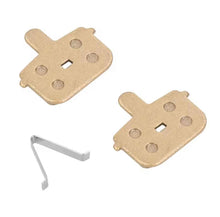
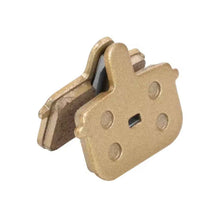
Brake Pads For iENYRID ES1/S1
Regular price £9.99Sale price £9.99 Regular priceUnit price per£11.99 -


Brake Pads For iENYRID M4 Pro S+/Max
Regular price £9.99Sale price £9.99 Regular priceUnit price per£11.99 -
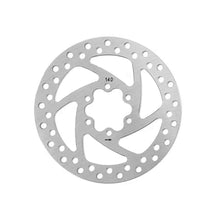
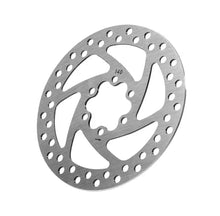
140MM Brake Disc For iENYRID ES1/S1
Regular price £9.99Sale price £9.99 Regular priceUnit price per -
140MM Brake Disc For iENYRID M4 Pro S+/Max
Regular price £9.99Sale price £9.99 Regular priceUnit price per -
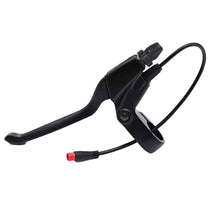
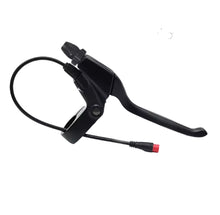
Brake Lever For iENYRID ES1/S1
Regular price From £9.99Sale price From £9.99 Regular priceUnit price per -
Brake Lever For iENYRID M4 Pro S+/Max
Regular price From £9.99Sale price From £9.99 Regular priceUnit price per


